あけましておめでとう!今年もよろしく。Happy New Years from Fukuoka! I’m loving being home. All my friends know how much I froth over talking about my home Japan, and it’s when my hidden otaku (nerd) comes out. From greeting my dear old Agumon doll and my Hello Kitty pillow on my bed; overindulging in g8 Nippon beer that goes down like water, screaming at karaoke (cause I can’t sing) and wasting time in crazy game arcades… not to forget the fresh and delicious cuisine that is unrivalled.
I miss the little things when I’m not here: the bus driver’s nasal voice telling me to get off at the next stop, Dad’s home-cooked meals, the ass-warmers and videt washlets on Japanese toilets, sometimes questionable slapstick Japanese humour on TV, 7/11 snacks and the ding-dong sound when you walk in: all these things make me think “yes, I’m home.” Because oddly enough, these things make me feel truly comfortable and warm inside (especially the ass-warming toilets, I don’t know how the western world goes without it!)




I’m also getting an odd kick out of turning on the heater. Being cold and feeling the breeze is a sensation I’d forgotten being in the nauseating heat of Bangkok. I turn on the heater in the morning so I can grow the balls to get out of my cold bed – a stark contrast from turning off the air-con to be forced out of my hot bed in Bangkok! (In saying that, this time last year it was snowing like cray, and yesterday it even went up to 15 degrees! This is the warmest winter ever recorded, scary…..)
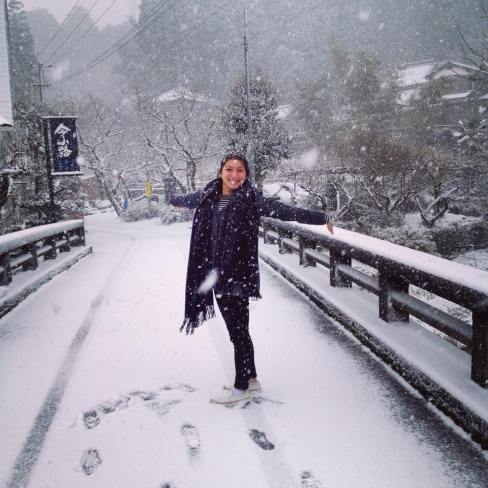
While everyone most likely rang in the New Years with booze and beachside parties, I welcomed in the New Year in classic Japanese fashion.
Three Shrines
Soon as the clock hits 12:00 on New Years morning, most Japanese people are outside lining up to make their prayers at their local shrines. This is followed by making a visit to two more shrines on the same day, to pray for good luck throughout the year.


The Food
As previously mentioned, religious festivals are synonymous with feasting. Osechi is an assortment of marinated deliciousness equally pleasing aesthetically as it is to the tastebuds. The tradition of osechi has been carried out for more than a thousand years – and began as a way for women to avoid the taboo of being in the kitchen for the first three days of New Years. (I can hear the feminists growling.) So, they prepared a shitload of food and marinated it so it would last longer than usual, and feasted for the first few days of the New Years.


It mostly consists of seafood, pickled vegetables and bean dishes. And of course, you eat it with rice – because a meal in Japan without rice is like eating pasta sauce without spaghetti. Actually I would go as far to say a life without rice is a life half-lived, so shame on you rice haterzz. I ❤ rice.
Anyways, each dish has a meaning behind it and a reason why you eat it during New Years. (Mainly some great food puns.)

黒豆 (kuro-mame): Mame means beans, but it’s also the ancient word for health. So you pick each little bean with your chopsticks on to your plate, and it’s supposed to bring good health for the year.

きんとん (kinton): the golden colour pretty much gives it away – it’s supposed to bring a good financial year.
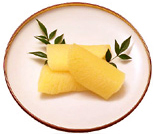
数の子 (kazunoko): This is a fish egg of a fish that produces lots of eggs, so naturally it’s eaten to wish for a healthy pregnancy. This is the only food in the assortment that I truly don’t like, and I don’t think I’m going to tackle this one for at least another decade… so luckily Dad ate all the kazunoko in the box.

えび (Prawn): The long whiskers of the prawn symbolises longevity.
Toshikoshi Soba
Toshikoshi literally means change of year, and I don’t know any mates in Japan that don’t slurp their way into the New Year. Soba (buckwheat noodles) is eaten on New Years eve, and these long noodles are supposed to symbolise longevity. (But really, everyone thinks the soba tradition began because the women were too busy preparing for osechi, that they preferred to cook something simple AF on the last day of the year. Fair enough.)
Otoshidama – $$$ for kids
My favorite part of the New Year was always otoshidama – money given to children in a special paper envelope from your parents, grandparents and other relatives. As you get older, the number of 0’s increase year by year, until the time comes when it’s questionable whether you can be considered a child.
And plenty more religious festivals throughout January…
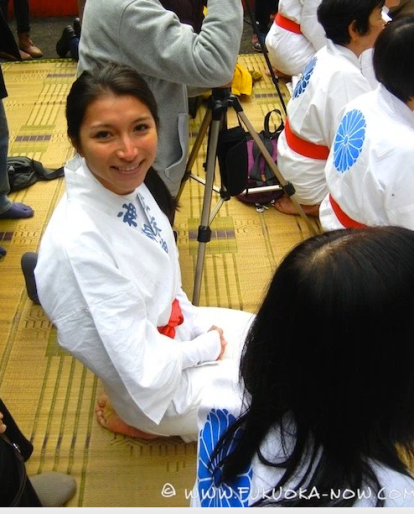
If you’re going to travel to Japan, come in December – January and spend the New Years here. There are sooo many festivals on as the shrines and temples have their end / beginning of year rituals on, so it’s a great way to see old school Japan. I participated in a few during my time at Fukuoka Now, the main English magazine in my hometown Fukuoka. Working there and writing about these Japanese festivals that seemed ordinary to me growing up in Japan, in English to a foreign readership, made me realise how unique Japan is. It made me want to share with everyone how much this quirky country has to offer. So have a read if you’re a Japan-otaku and plan to travel here sometime soon!


And last but definitely not least…. (lol)
Happy New Year everyone, hope 2016 treats you out! 🙂
xoxo
PS: If you hadn’t figured out, Nippon is Japan in Japanese.
 Lost in Gustation
You must be logged in to post a comment.